Police Glossary
Police Glossary
My name is Charles-Éric and I have been studying Police Technology for 3 years. This glossary contains 29 words that police officers use in the context of their work. These words will help people who want to understand the police vocabulary and those who want to read my blog : https://unknown-face-of-the-police.blogspot.com This glossary does not only include definition, but also images, examples, translations, pronunciations, and quiz. The words in this glossary were in some police texts I found on the internet, and I decided to use different online dictionaries to define them.
- apprehend
- verb
- arrest someone for a crime
- Example: He was apprehended for murder and would appear on trial on 1 September”.
- en: mettre en état d'arrestation
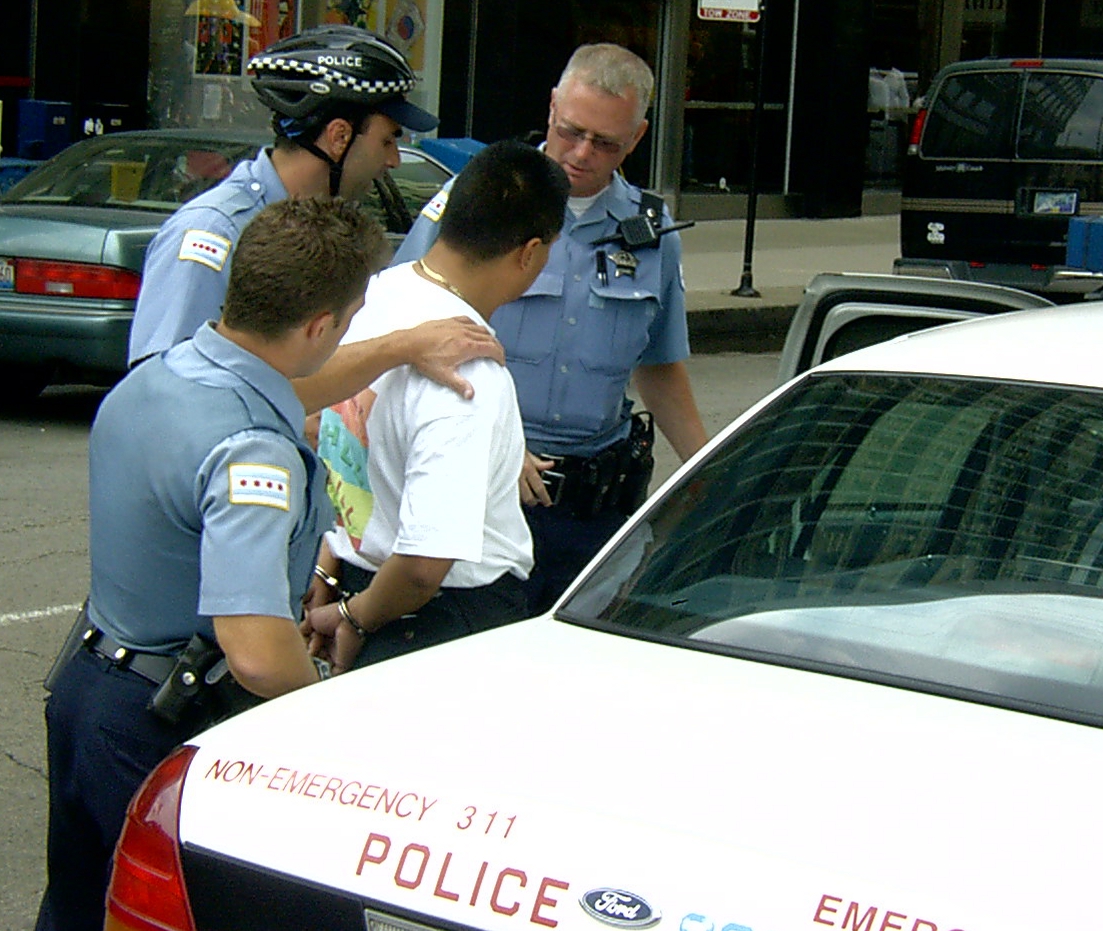
- assailant
- noun
- A person who physically attacks another.
- Example: The police have no firm leads about the identity of his assailant.
- en: agresseur

- backup
- noun
- Help or support.
- Example: No police backup could be expected.
- en: renfort
- burglary
- noun
- Entry into a building illegally with intent to commit a crime.
- Example: This year, a lot of households were victimized by burglary.
- en: cambriolage

- community policing
- phrase
- Philosophy that allows officers to continuously operate in the same area in order to create a stronger bond with the citizens living and working in that area.
- Example: We must take serious steps to reduce violence and prevent crime, beginning with more police officers and more community policing.
- en: police communautaire

- cruiser
- noun
- A police patrol car.
- Example: Step out of your vehicle and get into the police cruiser.
- en: autopatrouille

- detain
- verb
- Keep someone in official custody, typically for questioning about a crime.
- Example: Police still possess considerable discretion to arrest and detain and are required to report to procurator only as soon as possible.
- en: Détenir
- detective
- noun
- A police officer, whose occupation is to investigate and solve crimes.
- Example: I might leave Ben's handkerchief near the scene of the murder in order to induce the detective to believe that Ben was the murderer.
- en: détective
- discretionary power
- phrase
- The authority granted by the law to a police officer to act on his own discretion under certain conditions.
- Example: In this case the police officer had a discretionary power, so he used his judgment and let the offender left.
- en: pouvoir discrétionnaire
- evidence
- noun
- The available body of facts or information indicating whether a belief or proposition is true or valid.
- Example: If it is possible to find exculpatory evidence that shows the suspect is not responsible for the offence, it is helpful for police because it allows for the elimination of that suspect.
- en: preuve

- expandable nightstick
- phrase
- Non-lethal weapon, usually made of metal, used by police officers.
- Example: We might strike someone that we don't mean to when we're deploying the expandable nightstick if we do it wildly.
- en: bâton télescopique

- fine
- noun
- A penalty of money that a court of law or police authority decides has to be paid as punishment for a crime or other offence.
- Example: Their breach may, after all, lead to the imposition of a fine or imprisonment.
- en: amende

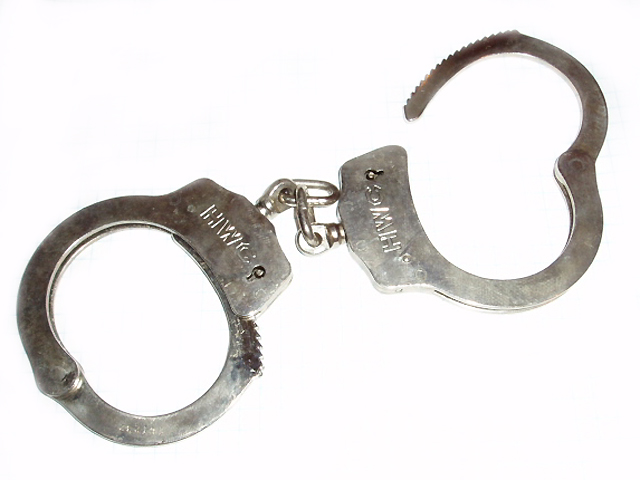
- handcuffs
- noun
- A pair of lockable linked metal rings for securing a prisoner's wrists.
- Example: Sometimes two pairs of handcuffs are needed to restrain a person with an exceptionally large waistline because the hands cannot be brought close enough to each other.
- en: menottes
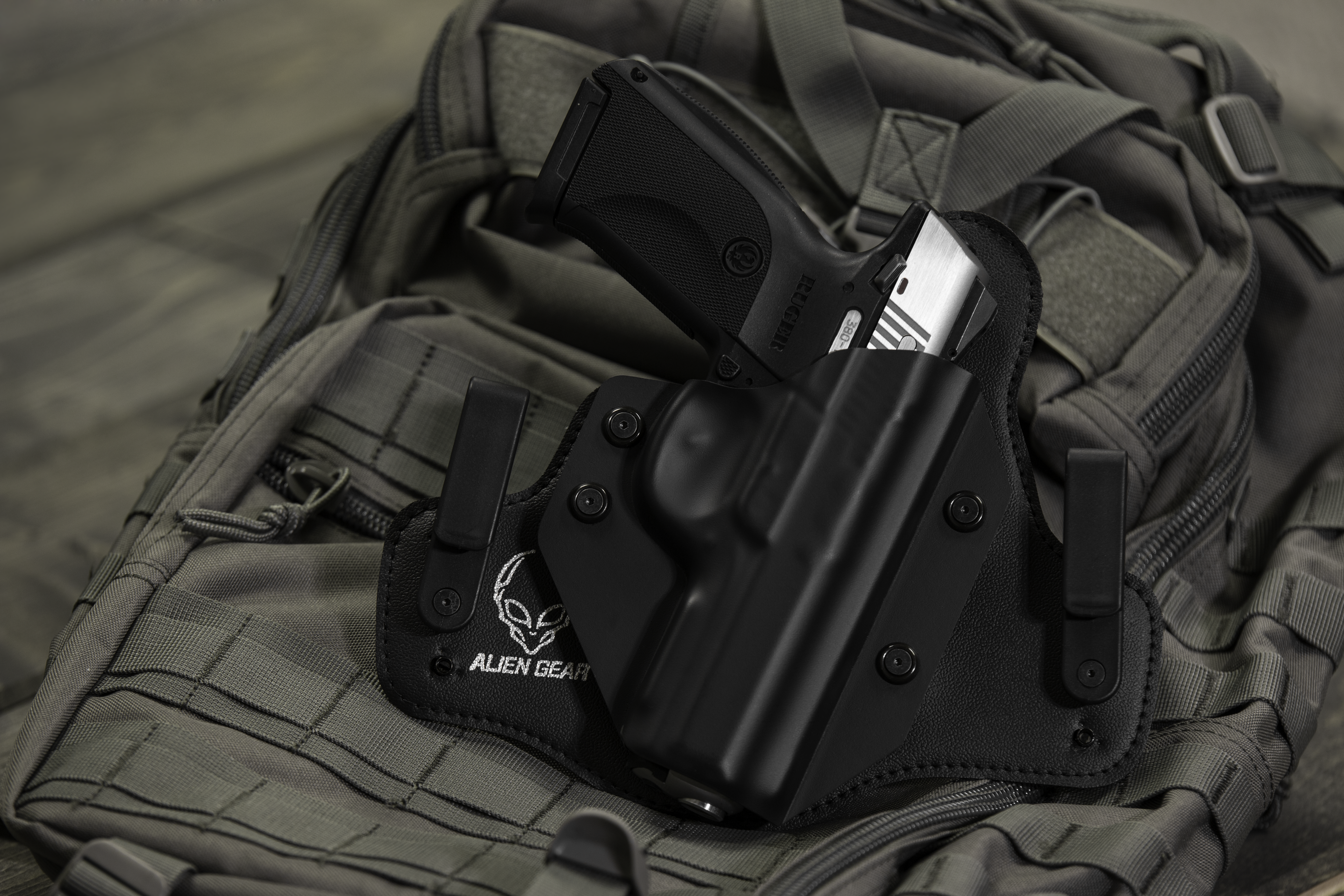
- holster
- noun
- A holder for carrying a handgun or other firearm, typically made of leather and worn on a belt or under the arm.
- Example: He was carrying a shotgun and his revolver was in the holster.
- en: étui de revolver/pistolet
- informant
- noun
- A person who gives information to another.
- Example: Police gain information and leads from these informants that they may not be able to learn from other sources.
- en: informateur
- investigate
- verb
- To search out and examine the particulars of in an attempt to learn the facts about something hidden, unique, or complex, especially in an attempt to find a motive, cause, or culprit:.
- Example: The police are investigating the murder.
- en: enquêter
- lawfully
- adverb
- In a way that conforms to or is permitted or recognized by the law.
- Example: Their fingerprints were lawfully taken.
- en: légalement
- manslaughter
- noun
- The crime of killing a human being without malice aforethought, or otherwise in circumstances not amounting to murder.
- Example: Henry was, of course, convicted of manslaughter rather than murder.
- en: homicide involontaire
- offender
- noun
- A person who commits an illegal act.
- Example: The offender was taken into custody.
- en: contrevenant
- patrolling
- verb
- keep watching over an area by regularly walking or driving around.
- Example: Jack Cooper is a constable in the West Midlands Police Force, suffering with interminable shifts, patrolling the streets of Birmingham.
- en: patrouiller
- plainclothes
- adjective
- Dressed in civilian clothes while on duty —used especially of a police officer.
- Example: As two witnesses helped the man, the suspect fled on foot, until plainclothes officers reached him in a nearby driveway.
- en: en civil
- riot
- noun
- A violent disturbance of the peace by a crowd.
- Example: The incident which precipitated the riot began when police officers stopped a car driven by Floyd Jarrett, a 23 year old black man well-known in the area.
- en: émeute

- sirens
- noun
- A device that makes a loud prolonged sound as a signal or warning.
- Example: This officer disobeyed by driving his car into the crowd with his sirens on.
- en: sirènes

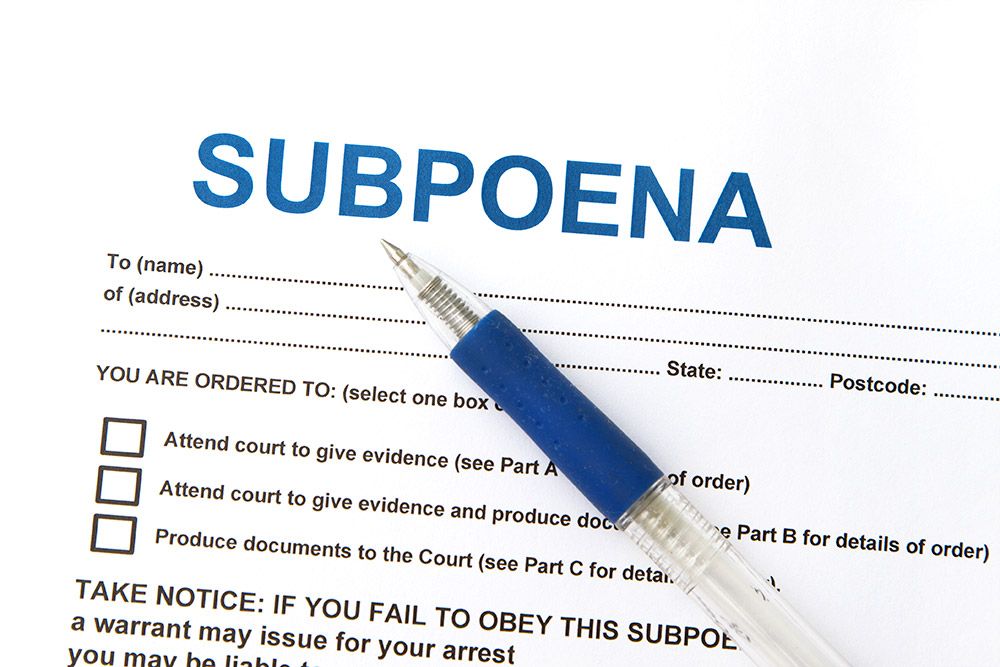
- subpoena
- noun
- a writ ordering a person to attend a court.
- Example: A subpoena may be issued to compel their attendance.
- en: citation à comparaitre
- suspect
- noun
- A person thought to be guilty of a crime or offense.
- Example: The evening newspapers, however, noted that a suspect was being questioned about the current crime.
- en: suspect

- taser
- noun
- A weapon firing barbs attached by wires to batteries, causing temporary paralysis.
- Example: Police officers often carry an electroshock guns, also known as a taser.
- en: taser

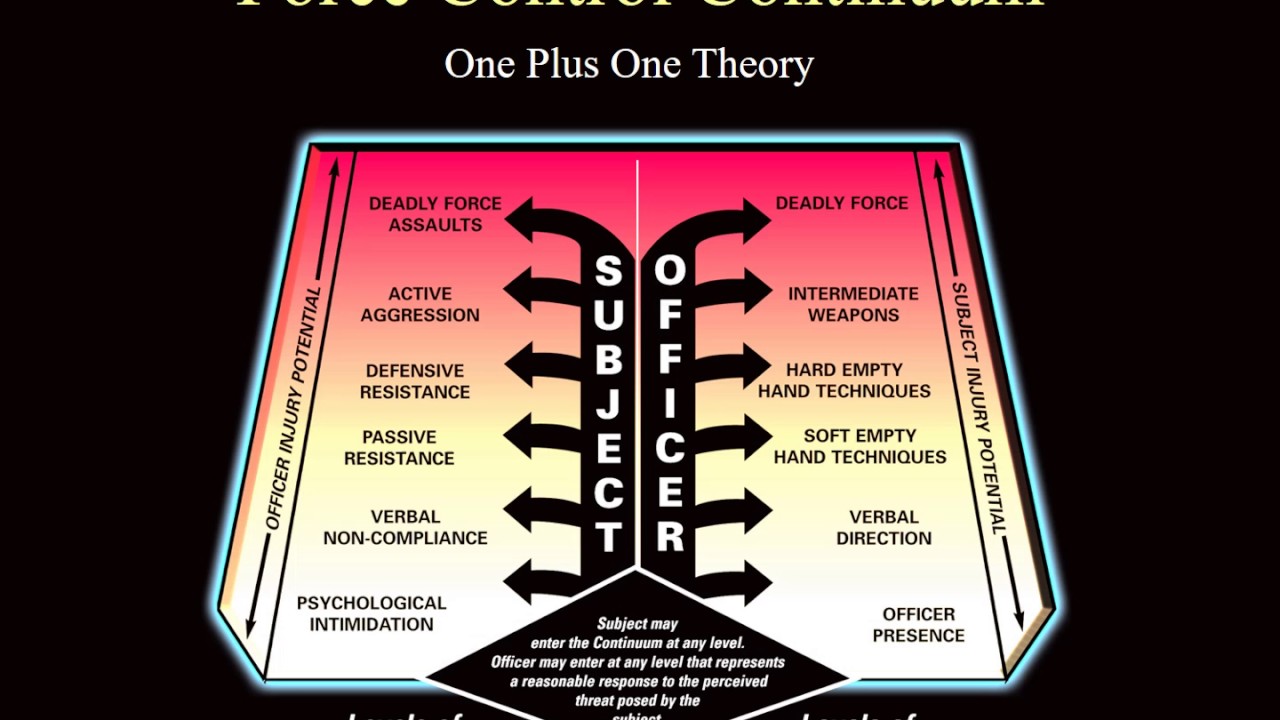
- use of force continuum
- phrase
- A use of force continuum is a standard that provides police officers with guidelines as to how much force may be used against a resisting subject in a given situation.
- Example: Police officers use the force continuum, a scale of force alternatives, to mediate the level of response used in a given situation.
- en: continuum de l'emploi de la force
- warrant
- noun
- A document issued by a legal or government official authorizing the police to make an arrest, search premises, or carry out some other action relating to the administration of justice.
- Example: The local authority then decided to enforce it and obtained a warrant of execution.
- en: Mandat

- witness
- noun
- A person who sees an event, typically a crime or accident, take place.
- Example: The witness gives oral evidence at the preliminary inquiry in the magistrate's court which is recorded in the form of a deposition.
- en: témoin